Understanding Dry Cupping
Introduction to Dry Cupping: Benefits, Techniques, and What to Expect
Dry cupping, an ancient practice rooted in traditional Chinese medicine, has gained popularity in recent years as a holistic approach to wellness.
This therapy involves placing cups on the skin to create suction, which is believed to promote blood flow, reduce inflammation, and facilitate healing.
In this blog, we’ll explore what dry cupping is, its benefits, techniques, and what you can expect during a session.
Contents:
- What is Dry Cupping?
- The Benefits of Dry Cupping
- Techniques of Dry Cupping
- What to Expect During a Dry Cupping Session
- Conclusion
- Dry Cupping FAQs
For More information visit our main services page.
What is Dry Cupping?
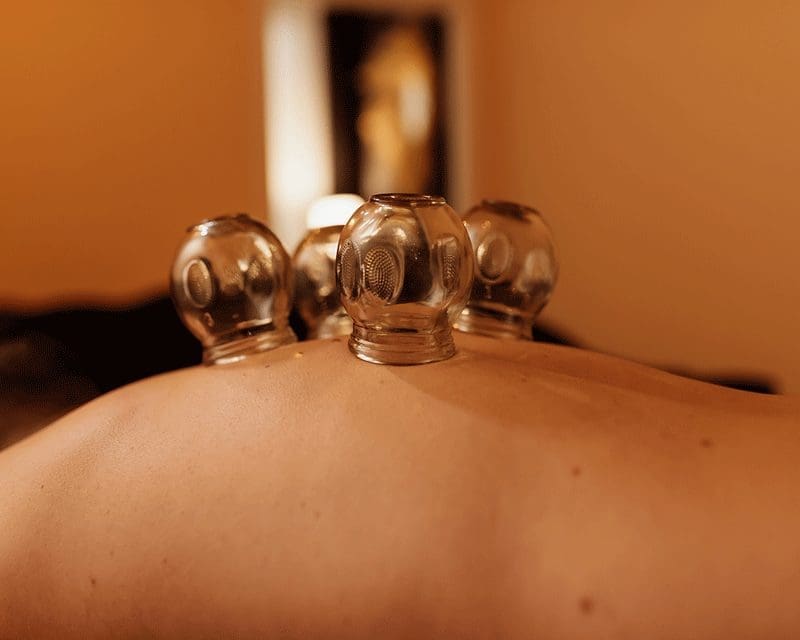
Dry cupping is a non-invasive therapy where cups are placed on the skin to create a vacuum effect.
This suction pulls the skin and underlying tissues into the cup, which is thought to increase blood circulation and facilitate healing.
Unlike wet cupping, which involves drawing blood by making small incisions on the skin, dry cupping strictly uses suction to achieve its therapeutic effects.
The Benefits of Dry Cupping
1. Pain Relief:
One of the most common reasons people turn to dry cupping is for pain relief.
By improving blood flow to the affected area, cupping can alleviate muscle tension, reduce pain, and promote faster recovery.
2. Enhanced Circulation:
The suction created during a cupping session enhances blood flow, which can help deliver essential nutrients and oxygen to tissues, promoting overall health and well-being.
3. Detoxification:
Improved circulation also aids in the removal of toxins from the body.
This detoxifying effect can help reduce inflammation and support the immune system.
4. Relaxation:
Similar to a deep tissue massage, dry cupping can help relax tight muscles and reduce stress.
Many people find the experience calming and rejuvenating.
5. Skin Health:
Cupping can improve skin health by increasing blood flow and promoting the production of collagen.
It may help reduce the appearance of scars, cellulite, and stretch marks.
Techniques of Dry Cupping
There are several methods used in dry cupping, including:
Stationary Cupping:
In this technique, cups are placed on specific points of the body and left in place for a set period, usually between 5 to 20 minutes.
Moving Cupping:
Also known as gliding cupping, this method involves applying oil to the skin before placing the cups.
The practitioner then moves the cups along muscle groups to enhance circulation and relieve tension.
Flash Cupping:
This involves quickly applying and removing cups to stimulate the skin and underlying tissues without leaving them in place for extended periods.
What to Expect During a Dry Cupping Session
If you’re new to dry cupping, here’s what you can typically expect during a session:
1. Consultation:
The session usually begins with a consultation where the practitioner discusses your health history and specific concerns.
2. Preparation:
You’ll lie down comfortably, and the practitioner will clean the areas where the cups will be applied. Oil may be used for moving cupping.
3. Application of Cups:
The practitioner will place the cups on your skin and create suction, either by heating the air inside the cup or using a pump.
4. Duration:
The cups remain in place for 5 to 20 minutes, depending on the technique and your needs.
5. Aftercare:
After removing the cups, the practitioner may massage the cupped areas. It’s common to see circular marks on the skin, which usually fade within a few days.
Conclusion
Dry cupping is a versatile and beneficial therapy that offers a range of health benefits, from pain relief to improved circulation and relaxation.
Whether you’re seeking to alleviate chronic pain, reduce stress, or enhance your overall well-being, dry cupping might be a valuable addition to your wellness routine.
Always consult with a qualified practitioner to ensure it’s appropriate for your specific needs.
For more insights into alternative therapies and wellness tips, stay tuned to our blog!
To book a session click here.
Dry Cupping FAQs
1. What is dry cupping and how does it work?
B
C
Dry cupping is an ancient therapy involving the placement of special cups on the skin to create suction, which stimulates blood flow and facilitate healing.
2. What are the health benefits of dry cupping?
B
C
Benefits often attributed to dry cupping include pain relief, muscle relaxation, improved circulation, and reduced inflammation. It also helps with respiratory issues and skin health.
3. Is dry cupping safe?
B
C
Yes, dry cupping is generally safe when performed by a trained professional. Always ensure you're treated by a certified practitioner.
4. Does dry cupping hurt?
B
C
Most people experience a sensation of pressure rather than pain. Some may find it uncomfortable initially, but it usually becomes more relaxing as the session progresses.
5. How often should I get dry cupping treatments?
B
C
This varies depending on individual needs and health conditions. Consult your practitioner to determine the best frequency for you.
- Gmail
Recent Posts
- How often should you get a massage: a simple guide to results, recovery and booking
- Is massage safe during pregnancy? What to expect and how we help
- Massage for lower back pain and sciatica: fast, reliable relief you can trust
- Sports massage vs deep tissue massage: which is right for you?
- What to expect at your first massage: a simple guide to feeling confident and relaxed